

The world of Forex trading has seen significant transformations over the past decade, with algorithmic trading emerging as a powerful tool for traders. Algorithmic trading refers to the use of computer programs and algorithms to execute trades based on predefined criteria. As traders seek advantages in the increasingly competitive landscape of currency trading, forex algorithmic trading Trading Asia provides insights into the essential aspects of Forex algorithmic trading. In this article, we will explore various strategies, the technology involved, and key considerations for implementing algorithmic trading effectively.
The Rise of Algorithmic Trading in Forex
Algorithmic trading has been transforming financial markets since the 1970s, but its application in Forex trading has gained tremendous popularity in recent years. The global Forex market is known for its high volatility and liquidity, making it an ideal environment for algorithmic trading. Algorithms can analyze vast amounts of data and execute trades at speeds that are beyond human capability, resulting in increased efficiency and enhanced trading performance.
How Algorithmic Trading Works
At its core, algorithmic trading utilizes complex mathematical models and programming to make trading decisions. These algorithms can be designed to consider various factors, including price movements, market conditions, and historical data. The process generally involves four key components:
- Data Collection: Algorithms rely on historical and real-time data to identify potential trading opportunities. This data may include currency price changes, economic indicators, and market news.
- Signal Generation: Once the data is collected, algorithms use predefined rules to generate trading signals, indicating when to buy or sell a currency pair.
- Trade Execution: After the signal is generated, the algorithm automatically executes the trade on behalf of the trader, ensuring rapid execution at the desired price.
- Portfolio Management: Algorithms can also monitor and manage a trader’s portfolio by adjusting positions based on changing market conditions or the trader’s risk tolerance.
Common Strategies in Forex Algorithmic Trading
Different strategies can be employed within the realm of Forex algorithmic trading. Here are some of the most popular approaches:
1. Trend Following
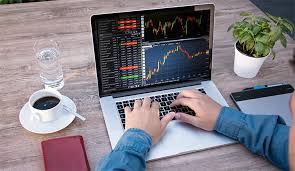
Trend following is one of the simplest and most widely used strategies in algorithmic trading. Algorithms analyze historical price data to identify trends and execute trades that align with the prevailing direction of the market. This strategy works best in markets with strong momentum.
2. Arbitrage
Arbitrage takes advantage of price discrepancies between different markets or instruments. In Forex, an algorithm can simultaneously buy a currency pair in one market and sell it in another, yielding profit from the price difference. Given the ultra-fast execution capabilities of algorithms, arbitrage opportunities can be exploited almost instantaneously.
3. Market Making
Market makers provide liquidity to the Forex market by offering buy and sell quotes on currency pairs. Algorithms can automate this process, continuously analyzing the spread between bid and ask prices and capturing profit from the difference. This strategy requires a robust risk management system to mitigate potential losses during volatile market conditions.
4. Mean Reversion
The mean reversion strategy posits that asset prices will revert to their mean value over time. Algorithmic systems can identify overbought or oversold conditions and execute trades accordingly, betting that prices will revert back to their historical averages.
Technology Behind Algorithmic Trading

Implementing algorithmic trading strategies requires a solid understanding of technology. Here are some essential tools and platforms commonly used in Forex algorithmic trading:
- Trading Platforms: Most Forex brokers provide trading platforms that support algorithmic trading, such as MetaTrader 4 (MT4) or MetaTrader 5 (MT5). These platforms offer backtesting capabilities and customizable interfaces for creating and deploying algorithms.
- Programming Languages: Knowledge of programming languages such as Python, R, or MQL (MetaQuotes Language) is crucial for developing algorithms. These languages enable traders to create complex trading strategies tailored to their specific needs.
- APIs: Application Programming Interfaces (APIs) allow seamless communication between trading platforms and external tools. This is vital for algorithms to retrieve data, execute trades, and interact with various market conditions.
Risk Management in Algorithmic Trading
While algorithmic trading offers numerous advantages, it is not without risks. Effective risk management is crucial to protect your capital, especially in the volatile Forex market. Here are some strategies to consider:
- Position Sizing: Establish a position sizing strategy to determine the optimal amount to invest in each trade based on your overall capital and risk tolerance.
- Stop Loss and Take Profit Orders: Implement automated stop-loss and take-profit orders to limit losses and lock in profits. Algorithms can execute these orders more efficiently than manual trading.
- Regular Monitoring: Although algorithms can operate independently, regular monitoring is recommended to assess performance, adjust strategies, and respond to unexpected market changes.
Challenges in Forex Algorithmic Trading
Despite the advantages of algorithmic trading, there are several challenges that traders must navigate:
- Market Liquidity: Inquire about liquidity before executing large trades, as a lack of liquidity can lead to slippage or unfavorable prices.
- Data Quality: The success of an algorithm depends heavily on the quality of data used for analysis. Inaccurate or delayed data can lead to poor trading decisions.
- Technological Failures: Systems may experience downtime due to technical issues, which can result in missed trading opportunities or unintended losses.
Conclusion
Forex algorithmic trading represents a significant advancement in the world of currency trading. By utilizing sophisticated algorithms, traders can leverage data-driven insights to execute trades efficiently. While the opportunities for profit are abundant, it’s essential to approach algorithmic trading with a solid understanding of strategies, technology, and risk management. Remember that to thrive in the Forex market, continuous learning and adaptation to changing conditions are necessary.