
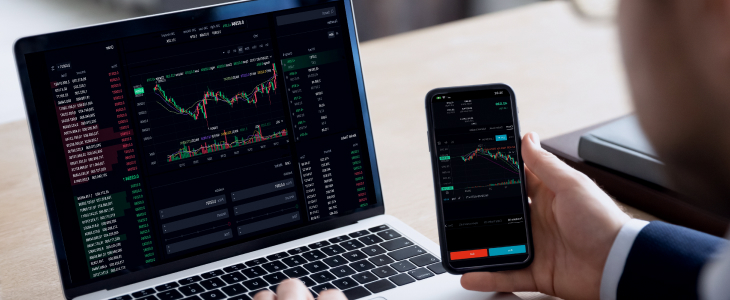
The Essentials of Forex Market Trading: Strategies and Insights
The Forex market is one of the most dynamic financial markets globally, with a daily trading volume exceeding $6 trillion. This attractive liquidity and volatility draw many traders looking to profit from fluctuations in currency values. Understanding Forex market trading is crucial for anyone interested in engaging with the market. In this article, we will delve into key concepts, essential strategies, and tips for success. If you’re looking for trusted platforms, explore forex market trading MT4 Forex Brokers that can facilitate your trading journey.
What is Forex Trading?
Forex trading involves the buying and selling of currencies against one another. The goal is to profit from the changes in currency exchange rates. Currency pairs are categorized into major, minor, and exotic pairs, each representing different levels of volatility and liquidity.
Major Currency Pairs
Major pairs such as EUR/USD, GBP/USD, and USD/JPY are the most traded in the Forex market. These pairs are characterized by high liquidity and lower spreads, making them ideal for both new and experienced traders.
Minor Currency Pairs
Minor pairs do not include the US dollar but involve other major currencies, like EUR/GBP or AUD/NZD. While they may present more volatility, they can also offer excellent trading opportunities for those who understand their movements.
Exotic Currency Pairs
Exotic pairs involve a major currency paired with a currency from a developing market, like USD/TRY or USD/ZAR. These can be riskier due to lower liquidity and higher spreads. They require more in-depth research and understanding of economic conditions influencing the countries involved.
Why Trade Forex?
The Forex market operates 24 hours a day, five days a week, allowing traders to enter or exit positions at any time. This flexibility, alongside the high liquidity and low transaction costs, makes Forex attractive. Additionally, leverage is widely available, enabling traders to control larger positions with a smaller capital outlay.
Key Strategies for Forex Trading
1. Day Trading
Day trading involves making multiple trades within a single day, closing all positions by the market’s close. This strategy requires quick decision-making and is best suited for those who can dedicate significant time to monitor the markets.

2. Swing Trading
Swing traders focus on taking advantage of price swings over several days or weeks. They often rely on technical analysis and indicators to identify entry and exit points, making this strategy more suitable for part-time traders.
3. Scalping
Scalping is a strategy that focuses on small price changes, aiming to generate numerous small profits throughout the day. Scalpers need a strong understanding of market mechanics and the ability to react quickly to trading signals.
4. Position Trading
Position trading is a long-term strategy that involves holding onto positions for several weeks or months based on fundamental analysis. This approach requires a deep understanding of market trends and economic factors affecting currency values.
Technical Analysis in Forex Trading
Technical analysis is a cornerstone of Forex trading. It involves analyzing price charts and using indicators to forecast future price movements. Traders use tools like moving averages, Relative Strength Index (RSI), and Fibonacci retracements to identify potential trends and reversal points.
Understanding Chart Patterns
Chart patterns like head and shoulders, triangles, and flags can provide significant insights into market psychology and potential future price movements. Recognizing these patterns can help traders make informed decisions.
Fundamental Analysis in Forex Trading
Fundamental analysis focuses on economic indicators, geopolitical events, and macroeconomic factors affecting currency value. Key indicators include GDP growth, employment rates, inflation, and central bank interest rates. Traders must stay informed to anticipate market reactions to economic news and releases.
The Importance of Risk Management
Effective risk management is critical to long-term success in Forex trading. Traders should never risk more than a small percentage of their trading capital (often recommended at 1-2%) on a single trade. Using stop-loss orders can help limit potential losses and protect capital.
Choosing a Forex Broker
When starting your Forex trading journey, selecting a reliable broker is essential. Look for brokers that offer competitive spreads, robust trading platforms, excellent customer support, and ensure they are regulated by reputable financial authorities. Always read reviews and do thorough research before committing to a broker.
Conclusion
Forex trading offers significant opportunities for those willing to invest the time and effort to learn its intricacies. Whether you choose to adopt day trading, swing trading, or another strategy, understanding market mechanics, effective risk management, and the use of both technical and fundamental analysis will be crucial to your success. With the right tools and knowledge, navigating the Forex market can be a rewarding endeavor.